- Health
Do Dogs Need Sunglasses? Why Everyday Eye Protection Matters
Eye Protection Starts Before There’s a Problem
By ANN BLACK Editorial Team
Dogs don’t have to wait for an eye injury or visible irritation before eye protection becomes relevant.
Everyday outdoor life can expose canine eyes to sunlight, wind, dust, sand, insects, branches, and airborne debris. Most of these situations are completely ordinary—and that is exactly why they are easy to overlook.
Just as owners think about paw protection, hydration, harnesses, and weather before heading outside, eye protection can become another part of proactive everyday care.
Do Dogs Really Need Sunglasses?
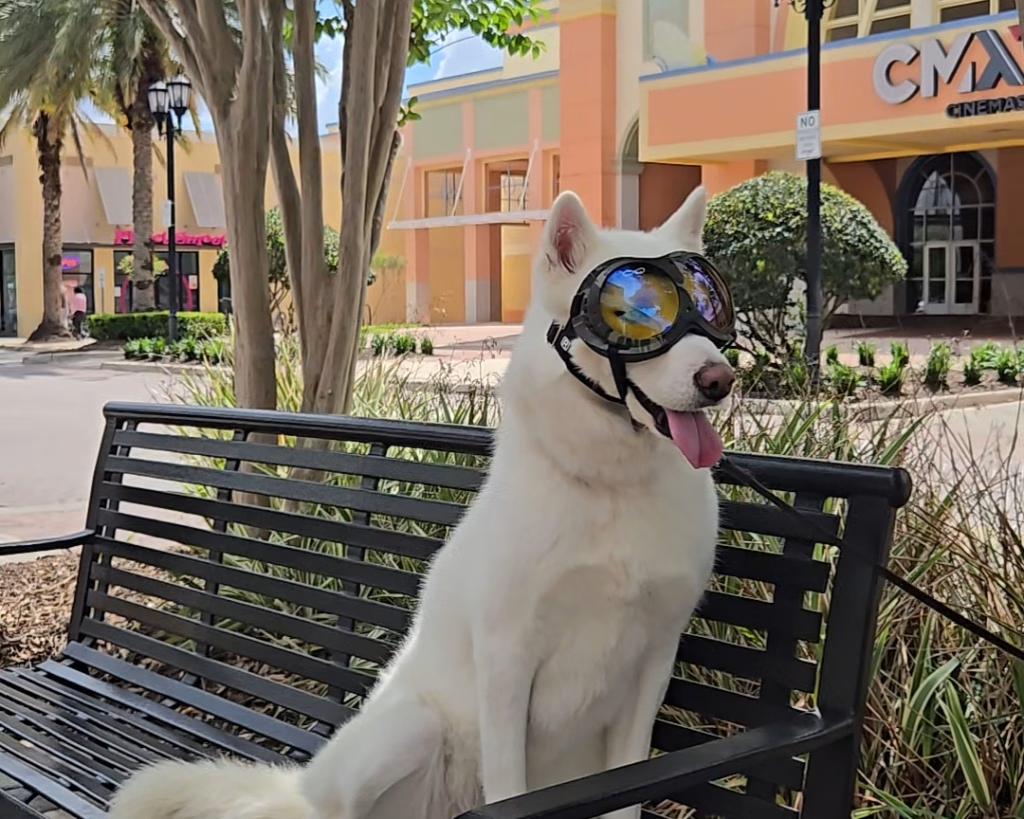
Not every dog needs to wear sunglasses at every moment, but eye protection should not be reserved only for dogs with eye disease or special medical needs.
For dogs that regularly spend time outdoors, protective eyewear can help reduce direct exposure to UV rays, wind, dust, sand, and other environmental debris. The value lies less in waiting for a problem to appear, and more in recognizing when everyday conditions make an extra layer of protection worthwhile.
In other words, the question is not only “Does my dog need sunglasses?” but also “What are my dog’s eyes exposed to today?”
For a broader guide to canine eye protection, learn more about why dogs need goggles.
Everyday Eye Risks Are Easy to Overlook
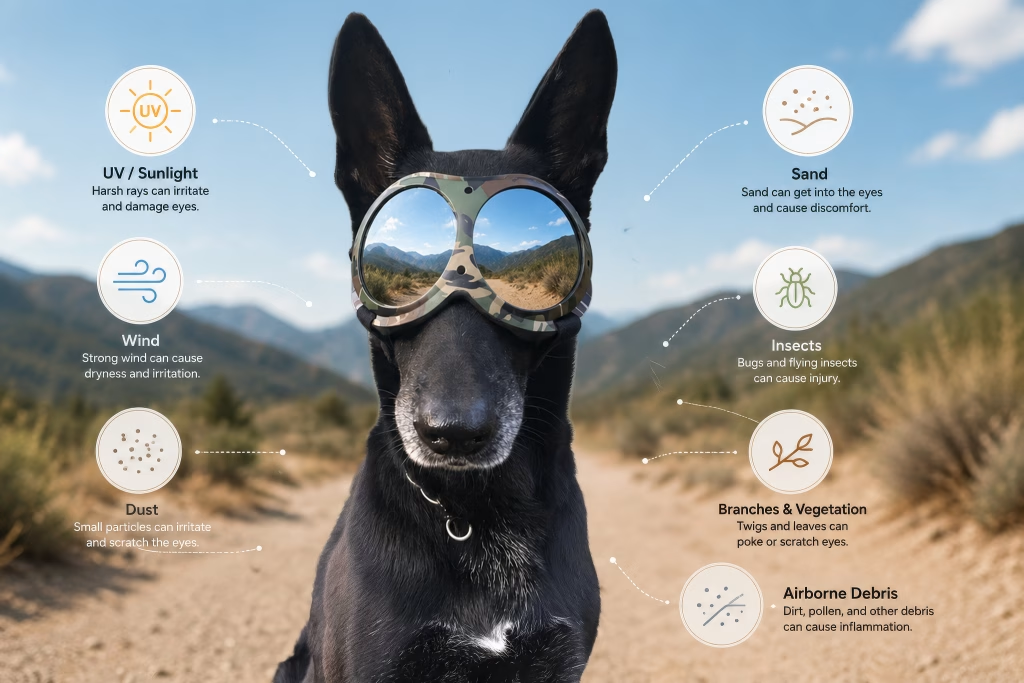
Outdoor environments can expose a dog’s eyes to more than we often notice. UV rays, wind, dust, sand, insects, branches, and airborne debris can all become part of a normal walk, hike, beach trip, car ride, or outdoor adventure.
Veterinary sources note that UV exposure can be relevant to certain canine eye conditions, while wind and debris may also contribute to irritation or injury during outdoor activity.
None of this means the outdoors should be treated as dangerous. The point is simply that ordinary environments can create repeated exposure—and repeated exposure is exactly where preventive protection becomes meaningful.
Eye Protection Is About Prevention, Not Reaction
We do not wait for a paw injury before thinking about protective footwear, or for an accident before using a secure harness. Eye protection can follow the same preventive mindset.
Protective eyewear is not about assuming that something will go wrong every time a dog steps outside. It is about reducing avoidable exposure before irritation or injury has a chance to occur.
When eye protection becomes part of a normal outdoor routine, owners can make decisions based on the environment—not only on whether their dog already has a problem.
Not All Dog Goggles Offer the Same Protection
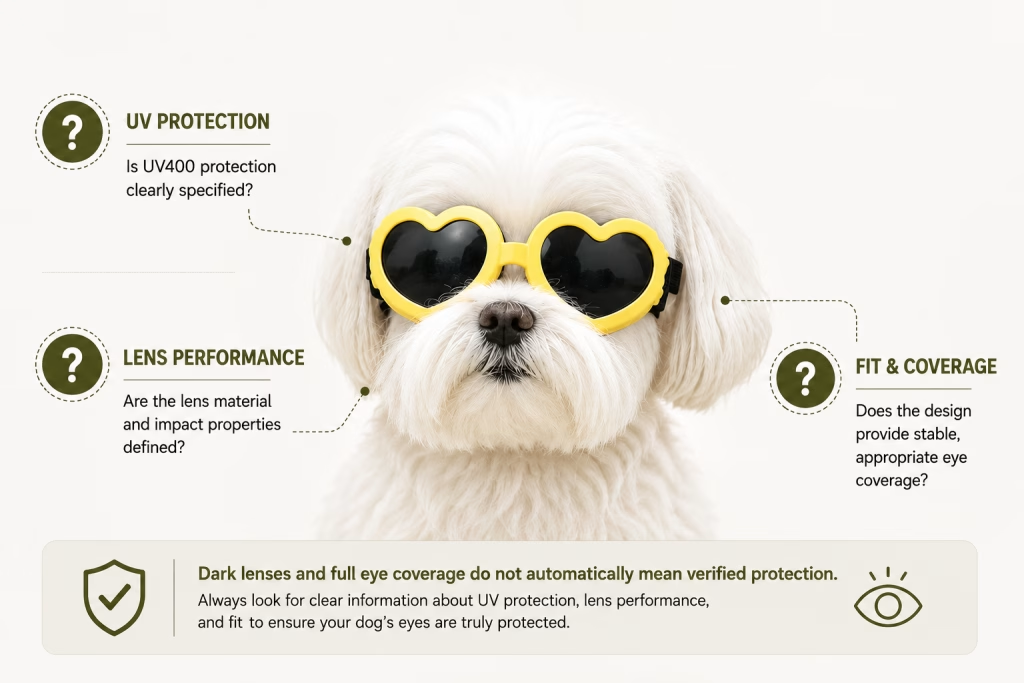
For many dog owners, the challenge is not recognizing dog goggles—it is knowing which features actually matter for protection.
A dark, tinted, or mirrored lens may look protective, but appearance alone cannot tell you how much UV protection it provides, whether it reaches UV400 protection, or how well the lens can withstand impact. The same goes for fit: goggles may look secure in a photo, but that does not necessarily mean they will stay comfortably in place while a dog is walking, running, or exploring.
True eye protection depends on the entire design. UV protection, lens material, impact resistance, eye coverage, fit, strap stability, and the materials that come into contact with a dog’s face all affect how the goggles perform in everyday use.
When choosing dog goggles, owners should look beyond appearance and price. Clear product specifications, thoughtful construction, comfortable fit, and reliable protection are what turn eyewear from an accessory into protective equipment.
What to Look for in Everyday Dog Eye Protection
Good dog eye protection should work as a complete system—not just as a pair of lenses.
For everyday use, owners can focus on a few practical features:
- UV Protection: Look for clearly stated UV performance, such as UV400, rather than judging protection by lens color alone.
- Impact-Resistant Lenses: Durable lens materials can provide an additional physical barrier against branches, sand, dust, and other environmental debris.
- Adequate Eye Coverage: The goggles should cover the eye area without leaving large gaps that reduce protection.
- Secure Fit and Stability: Protective eyewear should remain in the correct position while a dog walks, runs, turns, and explores.
- Comfortable Contact Materials: Areas that touch the face should be designed to reduce unnecessary pressure and friction during wear.
No single feature tells the whole story. Effective protection comes from how the lens, frame, fit, straps, and contact materials work together.
Explore ANN BLACK protective dog goggles designed with UV400 lenses, impact-resistant materials, secure fit, and everyday comfort in mind.
What Does UV400 Mean for Dog Goggles?
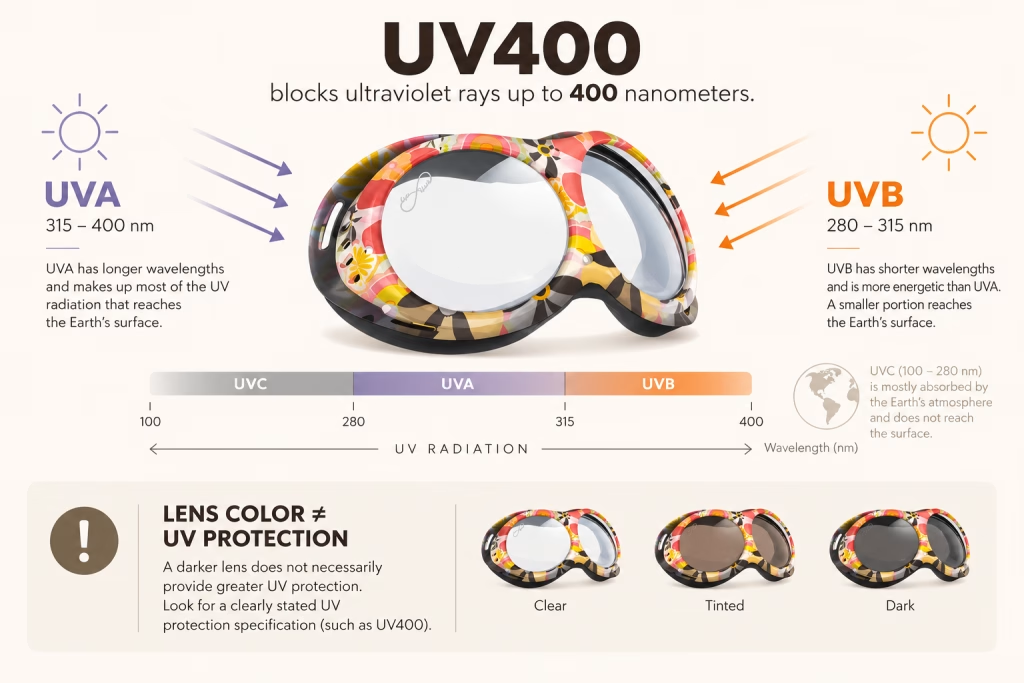
UV400 refers to lens protection designed to block ultraviolet wavelengths up to 400 nanometers, covering both UVA and UVB radiation.
For dog goggles, this matters because lens color alone does not indicate UV protection. A dark or mirrored lens may reduce visible light, but owners should look for clearly stated UV specifications rather than assuming that darker lenses provide better protection.
UV400 is an important feature—but it should still be considered together with lens durability, coverage, fit, and comfort.
Make Eye Protection Part of the Routine

Before heading outside, dog owners already think about weather, hydration, paw conditions, and activity level. Eye protection can become part of that same routine.
The goal is not to make every outing feel risky. It is simply to build the habit of asking: What will my dog’s eyes be exposed to today?
Frequently Asked Questions
Do Dogs Need Goggles Every Day?
Not necessarily. The goal is to make eye protection part of everyday awareness and use it when the environment calls for added protection—such as strong sun, wind, dust, sand, or outdoor activities.
Can All Dog Breeds Wear Goggles?
Protective goggles can be suitable for dogs of different breeds and sizes, but proper fit matters more than breed alone. The goggles should stay secure without creating unnecessary pressure or discomfort.
How Can I Help My Dog Get Used to Goggles?
Use gradual desensitization and positive reinforcement. Let your dog first become familiar with the goggles, reward calm interaction, and begin with very short wearing sessions. Gradually increase the wearing time as your dog becomes more comfortable.
Protection Starts Before the Problem
Canine eye protection is not only about responding to injury or discomfort. It is about building awareness before everyday exposure becomes a problem.
By understanding common environmental risks and choosing protective eyewear with clearly defined performance, dog owners can make eye protection a natural part of everyday care.
Protect the way they see the world.